
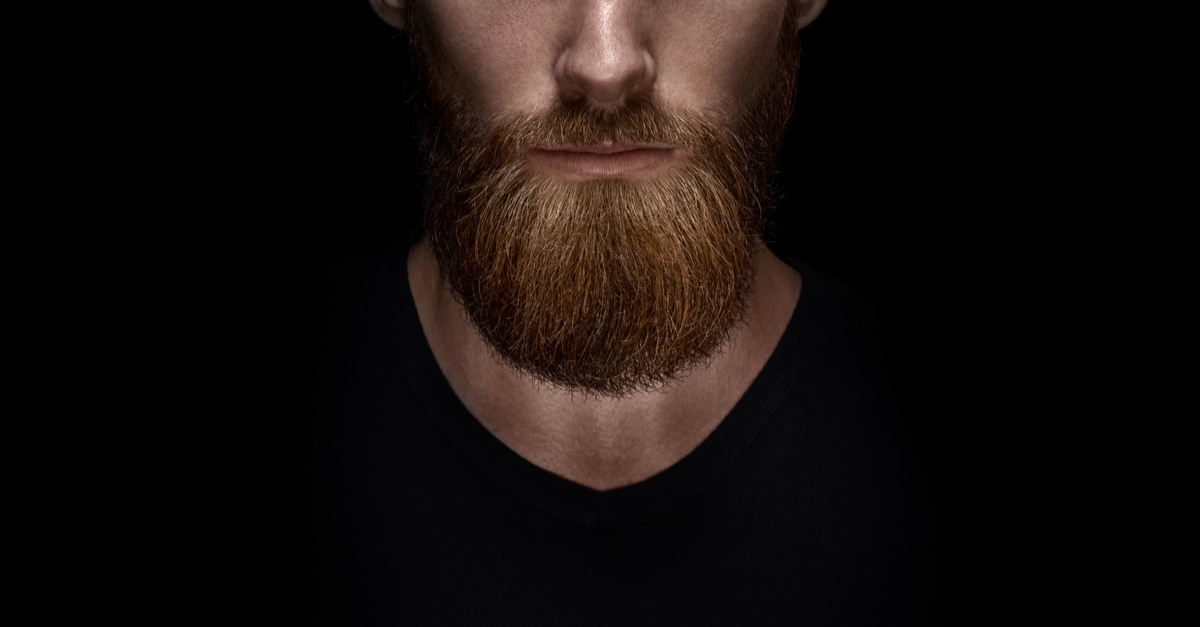
Growing a beard is not just a trend; it’s a personal journey shaped by biology, lifestyle, and grooming habits. Many men ask, “How long does it take to grow a beard?” The answer is not the same for everyone, but understanding beard growth phases, key factors, and how to optimize your routine can make a big difference. At Five Star Barber Brand, we help men at all beard stages with premium grooming services, expert advice, and a commitment to confidence through self-care.
Average Beard Growth Timeline
Most men can expect to grow a full beard within 2 to 6 months, with the average growth rate being 0.3 to 0.5 millimeters per day. That equals about half an inch per month. However, the pace varies based on age, genetics, hormones, and lifestyle habits. It’s important to note that beard growth happens in stages, and rushing the process can lead to frustration. Beards grow best when you allow them to develop without interference like frequent shaving or trimming in the early months.
Summary Table: Beard Growth by Time frame
| Timeframe | Growth Stage | Description |
| Week 0 | Clean-shaven | Skin resets, follicles rest |
| Week 1-2 | Light stubble | First signs of growth |
| Week 2-4 | Heavy stubble | Noticeable facial hair |
| Month 1-3 | Patchy beard phase | Uneven growth, common frustration |
| Month 3-6 | Developing beard | Fullness begins to appear |
| Month 6-12 | Full beard | Thick, shaped, and groomed beard |
| Year 1+ | Terminal beard stage | Genetic max length and density |
Beard Growth Explained by Science
Beard growth is largely controlled by androgens, specifically, testosterone and its derivative DHT (dihydrotestosterone). These hormones signal hair follicles in the face to start producing thick, pigmented hair. However, the number of responsive follicles you have is determined by your genetics. This is why some men have naturally dense beards while others struggle with patchiness.
Another key element is the beard growth cycle, which includes the anagen (growth) phase, catagen (transition) phase, and telogen (resting) phase. The length of your anagen phase determines how long your beard can grow. On average, this phase lasts about 2 to 6 years, but that number varies from person to person. Understanding these cycles helps explain why beard length and thickness differ widely.
Common Myths vs Facts
- Myth: Shaving makes your beard grow faster.
Fact: Shaving has no effect on growth rate. - Myth: Everyone can grow a full beard.
Fact: Genetics control follicle density and hormone sensitivity. - Myth: Beard oils grow hair.
Fact: Oils improve health and appearance but don’t create new follicles.
The 6 Stages of Beard Growth (With Timeline)
Stage 1 – The Clean Shave (Week 0)
This stage resets your facial skin and hair follicles. It’s important to prepare your skin with exfoliation and hydration to create the ideal environment for hair growth. A clean-shaven face allows your follicles to start fresh. Avoid using harsh razors that irritate the skin. At Five Star Barber Brand, our expert barbers recommend using a high-quality pre-shave oil and a moisturizing aftershave balm to reduce inflammation.
Stage 2 – Light Stubble (Week 1–2)
In this phase, short hairs begin emerging from the follicles. Most men see visible stubble by the end of week one. Keep your skin clean and moisturized to avoid irritation. Beard itch is common during this time due to sharp hair tips poking through the skin. Using a light beard oil can soften hair and relieve itching. This is also a good time to start brushing your beard to encourage even growth direction.
Stage 3 – Heavy Stubble (Week 2–4)
This phase brings darker and thicker stubble. You might notice some areas growing faster than others. Don’t worry, this unevenness is natural. Resist the urge to shape or trim too early, as doing so can interfere with the beard’s natural development. Clean your beard daily, apply beard oil, and begin incorporating a beard brush to guide growth.
Stage 4 – Patchy Beard (Month 1–3)
This is often the most frustrating stage. Growth may appear uneven, especially on the cheeks or under the jawline. The key is patience. Many men give up here, believing their beard “doesn’t grow.” Stay committed. Continue hydrating the skin and nourishing your follicles with beard balm, a biotin-rich diet, and hydration. Regular brushing helps train the beard’s direction and encourages fullness.
Stage 5 – Developing Beard (Month 3–6)
Your beard begins to fill in. You can now start light grooming and shaping. Visit Five Star Barber Brand for a professional beard trim to help define cheek and neckline areas without sacrificing length. You’ll also need to begin a beard-care routine: wash your beard twice a week with beard shampoo, apply beard oil daily, and comb to prevent tangles.
Stage 6 – Full Beard (Month 6–12)
This is the point where your beard has matured. It should now appear full and dense. You can experiment with different shapes depending on your face structure. At this stage, your grooming habits define the look. Use beard scissors for minor trims, apply a heavier beard balm, and condition your beard regularly. We recommend visiting our barbershop monthly for a detailed grooming session.
Beard Growth Cycle: What Happens Inside the Skin
Anagen Phase – Growth
This is the active growth phase. Hair cells divide rapidly, pushing out the beard. The longer this phase lasts, the longer your beard can grow. Healthy men usually have an anagen phase lasting 2 to 6 years. Proper nutrition and reduced stress levels can extend this phase.
Catagen Phase – Transition
This short phase (2–3 weeks) signals the end of active growth. The follicle shrinks, cutting off nutrients. While beard length doesn’t change much during this time, it sets the stage for shedding.
Telogen Phase – Resting
Here, hairs rest for about 2 to 4 months before falling out and making way for new ones. You’ll notice natural shedding. Don’t worry, this is part of the healthy beard cycle.
Key Factors That Influence Beard Growth
Genetics and Hormones
Genetics determine how sensitive your hair follicles are to testosterone and DHT. Men with more DHT receptors will grow thicker facial hair. If your father and grandfathers had full beards, you’re likely to follow suit.
Age and Ethnicity
Beard growth improves with age, usually peaking between 25–35. Ethnic background also plays a role. Middle Eastern and South Asian men often grow fuller beards earlier, while East Asian men may grow more sparsely.
Diet and Nutrients
Foods rich in biotin, zinc, vitamin D, and protein support healthy hair growth. Salmon, eggs, nuts, leafy greens, and lean meats are excellent options. Stay hydrated to keep follicles healthy.
Exercise and Circulation
Regular strength training and cardio improve testosterone levels and blood circulation, feeding nutrients to hair follicles.
Sleep and Recovery
During deep sleep, your body repairs cells and produces testosterone. Aim for 7–8 hours per night to promote beard growth.
Stress and Cortisol Levels
Chronic stress raises cortisol, which can reduce testosterone. Practice stress management techniques like meditation or exercise.
Smoking and Toxin Exposure
Smoking restricts blood flow and introduces toxins that damage follicles. Quitting can significantly improve hair and skin health.
Skin Health and Hygiene
Clean, exfoliated skin allows hair to grow freely. Use mild cleansers, exfoliate twice a week, and avoid clogging pores with heavy products.
Testosterone and DHT Levels
Low levels of testosterone or DHT can delay or reduce beard growth. If you’re concerned, consult a doctor. Do not self-medicate with hormones.
How To Speed Up Beard Growth Naturally
Biotin and Key Vitamins: Biotin, Vitamin D, Zinc, and B-complex vitamins are crucial. While supplements help, focus on getting nutrients from whole foods.
Beard Oils and Growth Serums: Look for oils with jojoba, argan, and castor oil. These nourish the skin and condition the beard. Apply daily after showering.
Derma Rolling for Stimulation: Microneedling increases blood flow and stimulates dormant follicles. Use a derma roller with 0.5mm needles once a week for best results.
Avoiding Beard-Killing Habits: Avoid over-trimming, poor diet, stress, and harsh grooming products. Follow a routine to create consistent growth.
Grooming Tips That Boost Growth
- Use a boar bristle brush daily
- Wash your beard 2–3 times a week
- Moisturize with oil and balm
- Visit Five Star Barber Brand for professional shaping
Teenage Beard Growth: What’s Normal?
Ages 13–15: Light Growth
You may notice peach fuzz or sparse hair on the upper lip or chin. This is normal and doesn’t indicate final beard potential.
Ages 15–18: Uneven Growth
Some areas may develop thick hair while others remain bare. Avoid shaving to “boost growth”, just let it come in naturally.
Ages 18–21: Thickening Process
Beard patterns become more established. By the early 20s, you’ll start to see your long-term growth potential. Stick with proper grooming habits and give it time.
Early 20s to Mid-30s: Prime Growth Window
Most men hit their beard peak in this range. This is the best time to focus on shaping and routine care.
When Will You Reach Your Terminal Beard Length?
What Terminal Beard Means
This is the longest and fullest beard your body allows, usually seen after 1–3 years of uninterrupted growth. Once you hit terminal length, your beard won’t grow longer unless hair falls out and restarts.
Can You Extend Terminal Growth?
While you can’t change genetics, maintaining high testosterone levels, proper nutrition, and excellent skin care can keep your beard at its best for longer.
Expert Tips from Barbers and Grooming Specialists
Daily Beard Care Routine
- Wash your beard with a sulfate-free cleanser
- Apply beard oil while damp
- Use a beard balm to shape and protect
- Brush to distribute oil and reduce frizz
When to Trim Without Slowing Growth
Trimming doesn’t slow growth; it prevents split ends. We recommend visiting Five Star Barber Brand every 3–4 weeks for maintenance.
How to Shape a Beard for the Best Appearance
Choose a style that fits your face shape. Our barbers specialize in custom shaping, clean lines, and blending techniques that enhance your look.
FAQs About Beard Growth
Can Shaving Make It Grow Faster?
No. Shaving does not impact follicle count, hormone levels, or growth speed.
Do Supplements Work?
Supplements can help if you’re nutrient-deficient. Biotin and Vitamin D are the most commonly linked to hair health.
Why Is My Beard Patchy on One Side?
Uneven growth is normal. Time, brushing, and healthy habits often resolve the imbalance.
Final Thoughts: Grow and Maintain the Beard You Want
Growing a beard takes time, care, and patience. There’s no shortcut, but there are proven methods to enhance the process. Whether you’re just starting or refining your style, understanding your beard’s natural rhythm is key. At Five Star Barber Brand, we’re here to support every step of your grooming journey, from your first stubble to your terminal beard. Trust in the process, follow expert advice, and embrace growth.


